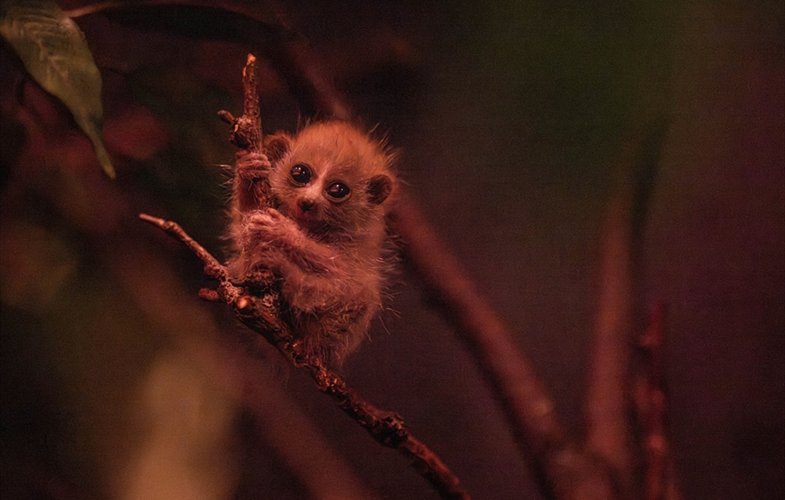
The Bronx Zoo has announced the birth of an endangered pygmy slow loris, born December 13, 2025, as the first primate born at the zoo's new immersive World of Darkness exhibit. The tiny infant, affectionately named Sprout, represents hope for this critically threatened species.
Why "Sprout" is the Perfect Name
The name "Sprout" is particularly fitting for this newborn pygmy slow loris for several reasons. Just as a sprout represents new growth and the beginning of life, this infant symbolizes hope for the survival and growth of its endangered species. The name also reflects the baby's small size and vulnerable nature, much like a delicate plant sprout emerging from the ground.
Furthermore, given that pygmy slow lorises are arboreal creatures living among tree branches and foliage, the botanical reference to sprouting plant life connects beautifully to their natural forest habitat. The name embodies both the fragility and the promise of new life, making it an ideal choice for this precious addition to the zoo's conservation efforts.
A Critically Endangered Species
The pygmy slow loris is a small primate native to Southeast Asia. They are considered Endangered by the IUCN Red List of Threatened Species, with habitat loss and poaching for the illegal pet trade contributing to rapid population decline. Sprout is one of only about 50 pygmy slow lorises across AZA-accredited zoos in North America, making each birth critically important for the species' survival.
The Bronx Zoo participates in the pygmy slow loris Species Survival Plan (SSP), a breeding program managed by the Association of Zoos and Aquariums (AZA) to maintain a genetically diverse population of the endangered species. This coordinated effort ensures that zoo populations remain healthy and serve as a safeguard against extinction in the wild.
Life of a Baby Slow Loris
Slow lorises are born fully furred with their eyes open and reach an adult weight of about one pound. Infants are carried on the mother's stomach and intermittently "parked" on branches while the mother forages for food. Sprout will become more active and independent as it grows, becoming fully weaned around 6 months of age.
Bronx Zoo animal care staff will determine the baby's sex at its first veterinary exam. For now, keepers are carefully monitoring both mother and infant to ensure they are bonding properly and that Sprout is nursing successfully.
The World of Darkness Exhibit
When it originally opened in 1969, the World of Darkness was the first major zoo exhibit to utilize a reverse day-night light cycle, making it possible for guests to see nocturnal creatures like the slow loris during their active period. The space, which reopened with updated features in 2025, includes programmable LED lighting that simulates natural day-to-night transitions, showcasing the adaptations of 25 species that thrive in darkness.
This innovative exhibit design allows visitors to observe these fascinating nocturnal animals during their most active hours, providing a rare glimpse into behaviors that would typically occur under cover of night. The controlled lighting environment also ensures that the animals maintain their natural circadian rhythms while being viewable to the public.
Conservation and Visitor Information
Due to the pygmy slow loris's sensitivity to light, the Bronx Zoo requests that visitors kindly resist taking disruptive flash photographs when viewing Sprout and the other nocturnal residents. Flash photography can stress these sensitive animals and disrupt their carefully managed light environment.
The birth of Sprout represents not just a joyful addition to the Bronx Zoo but also an important contribution to the conservation of this endangered species. As habitats continue to shrink in Southeast Asia and illegal wildlife trade persists, zoos play a crucial role in maintaining healthy backup populations and raising awareness about the plight of these unique primates.